Twitter’s role in the media process #2

I posted a while ago about social media tool, Twitter, and its role in disrupting the media process.  Charles Arthur rightly pointed out:

Except… this is only accurate about “disrupting the flow of the news process” where “news” means “news about technology stuff”.

We in technology PR and media are living in a bubble to a certain extent and mainstream media in other industries are yet to use the tool widely. Rory Cellan-Jones, tech correspondent at the BBC posted this morning about his recent experience using Twitter:

When I said in a “Tweet” last week that I was looking into addiction to online games I immediately got useful replies, including one which sent me to a psychiatrist at the Tavistock who became the key figure in my story. Then, minutes after I did the story on Today, I got more Twitter messages attacking me for being unfair to gamers. I was then able to point them at a blog post I’d written with more detail and that became a forum for a vigorous debate about the pros and cons of online games.

Yes it is a technology topic but it is slightly more mainstream in reach and provides a great case study of how journalists are using Twitter these days.

Yesterday at the Future of Mobile event in London, Guardian writer and lover of Twitter, Jemima Kiss said Twitter is one of the most important tools of her job.

I hope PR folks are listening and taking note…

Courtesy of Paul Walsh via Twinkle

Courtesy of Paul Walsh via Twinkle

Cross-posted on Ruder Finn Uk’s blog

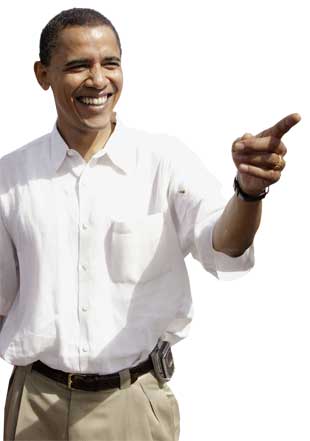
Obama FTW!

obama-wants-you-to-sign-up-for-obamarama1Finally we can ask the question and see the answer so many were waiting for:

Is Obama President?

As we all wake up this morning, news of Obama’s victory is everywhere.

As I sat up (as I always do..for as long as I can) watching the results come in, I was kept highly amused and entertained by the folks on my Twitterfeed.

I stayed up til around 3am and the pointers were all there for a pretty impressive result.  This was my first social network-style election (bar London Mayor).

Chatting to various people in the UK and US, certainly made for an interesting election night, that is without the highlights of Hitchens on the beeb, CNN’s hologram use, Dimbleby’s grumpy mood and Vine’s inability to control the Mission Impossible style touchscreen on occasions amongst others!

The use of social media will no doubt be debated by many along the whole election process as it is one hell of a big case study but as far as I am concerned last night was another win for Twitwatching!

the road to a story

In my opinion, Twitter has really disrupted the traditional flow of the news process over the past 12-18 months. An example of this was seen today:-

===Wired blog posts Blogging is dead piece on 20th Oct

===Twitterverse discusses, many people link and blog about it on 21st Oct

===BBC journalist discusses on Twitter on 22nd October

===Radio 4’s Today programme calls for guests to discuss this the following day mid afternoon

===BBC blogs it on evening of 22nd October

===Presumably it will be an item on tomorrow’s radio 4 show.. Update: Here it is.

Now I don’t know about you but I remember when Radio 4’s Today programme was the source of most of my news first thing…not discussing things that have been around and heavily debated and discussed online for two days already.  I presume this will be more of an analysis piece than news but it really illustrated to me how times have changed and how we are seeing “the news” be created these days, not just reading/hearing the finished article.

2 way street? Give your address out then!

Peter Whitehead’s piece in FT’s digital business made me chuckle this morning. As someone who has just joined Twitter, he seems to be going through the inevitable “what’s this for?” phase, soon to be followed by the obsession phase no doubt. Anyway, the reason his post made me smile particularly this bit:

First and foremost are contacts. A network quickly develops and you do feel vaguely “in touch” with people you are following. In the short time I’ve been Twittering, I have seen a few interesting ideas and some appeals for information and advice, which could reap rich rewards depending on who is following you.

There are also news services and blogs to follow, which are useful.

But it is not really a conversation; tweets are mostly one-way thoughts and observations, with little call for interaction.

As people remarked on twitter today, it might help his cause if he added his Twitter name to the piece (it is @peterwhitehead if you’re interested) 😉

I do agree with Peter’s sentiment about personal comments vs professional ones though – it is a tough balance but surely no more than other forms of communication?

My biggest concern, however, is over who I am on Twitter. Am I just me or am I representing the FT? Can I say outrageous things? Can I use it to promote Digital Business?

It is the world of Web 2.0 yet again blurring the boundaries between the professional and the personal. Unedited blogs, indiscretions posted on social networking sites, random thoughts given away to strangers on Twitter – one mistake and it could be the ruin of anyone.

I feel this is no more a risk than any other form of communication. This topic has also been discussed by Charles Arthur and Rory Cellan Jones amongst others…for what it is worth, my (somewhat lower profile) advice is:

###Don’t edit yourself, personality combined with the more serious stuff works well on Twitter
###People follow you because they like what you say, they will soon unfollow if they don’t
###Many journalists (and others) pimp their blog or site content, in fact Twitter seems, for many, to be taking over RSS as a way to keep up to date with fave sites

I for one look forward to seeing more come from the team at Digital Business so keep tweeting!